
The Humanities Core Course has taught me aspects of different parts of the world I did not know and how some patterns from the past are still seen today. This quarter specifically, has led me to a greater understanding of conflicts in the world and the consequences it had on people physically and emotionally. Learning about these topics has helped me understand why it is important for us to be aware of such events, to better understand the different countries and their cultures.
The projects we have done this quarter have opened my eyes to another view of my own culture. With the oral history project, I learned more about my grandfather’s past and how it affected him making him the person he is today. Learning about the hardships he endured for his family made me value him more and get a deeper understanding of where my family comes from. In the course, I have seen the effects of the intervention from other countries or “superior” groups. Similar patterns that I have seen when my grandfather told me his story is intervention from a “superior” influence, is the idea of “helping” the “inferior”. For my grandfather, the intervention was from the Mexican government on the indigenous people. The government wanted to educate the indigenous groups and make them modernize. In a similar aspect of the intervention, is about the Inca and the Spanish influence. For the Inca, it had a negative effect on them because they were exploited by the Spanish and disrupted the Incan culture. However, for my grandfather, government intervention affected him positively to an extent. Thanks to this intervention, he was able to pursue a career and provide a better future for his children. However, it did cause him to keep his native language from being implemented on his children so that they would be able to also pursue a career. The idea that the “superior” have the responsibility to educate the inferior had a different effect on these two examples, however, one similarity was the effect on culture. Having to adjust to a new implemented society caused a change in culture.
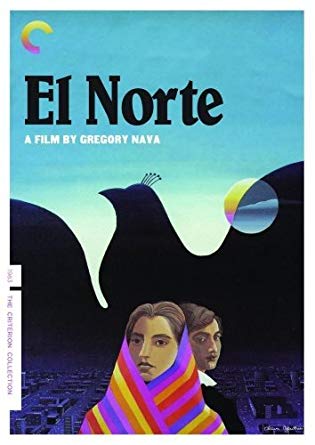
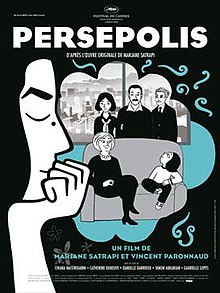
Furthermore, in the last project, the research project, I was able to learn more about immigration and the conflicts that arise. For instance, for the research project, I analyzed the film El Norte where two Guatemalan siblings immigrated to the U.S. in hope to find a better future for themselves. I was able to critique this film and see which ideas were emphasized or neglected, thanks to the skills I learned from critiquing other films in the quarter such as Women Without Men and Persepolis. Moreover, after watching the film Persepolis, I saw some common patterns in El Norte such as the loss of identity. For instance, in the film, Marji, had to travel to Europe to escape the war in Iran, she neglects being Iranian because of the stereotypes exist. Similarly, the siblings of El Norte also lost their identity because they pretend to be Mexican in order for them to not be deported back to their home country. Furthermore, when they establish a new life in the U.S. they do not speak in their native language and lose part of their Guatemalan identity. Although these characters hide their real identity for different reasons, it causes them dilemma in trying to “fit in” in the new societies they live in. For the characters, this is mentally draining since they are caught in the conflict of having to hide their identity in order to survive and have a better future.
Overall, this quarter, I have come to understand the common effects of such patterns in history like conflicts in culture and loss of identity. Analyzing these concepts have increased my understanding of where ideas come from and why they are projected a certain way. It has also stimulated me to question ideas I hear, create my own interpretations and has helped me connect these similar ideas to my life and culture. Lastly, it has strengthened my belief that we are all similar despite the different cultures we come from.
Works Cited:
Nava, Gregory. El Norte. 1983.
O’Toole , Rachel. “Machu Picchu (1400s Inca Temple & Fortress in Today’s Peru).” 10 Jan. 2019, Irvine, University of California Irvine .
Strapi, Marjane, director. Persepolis. 2007.

